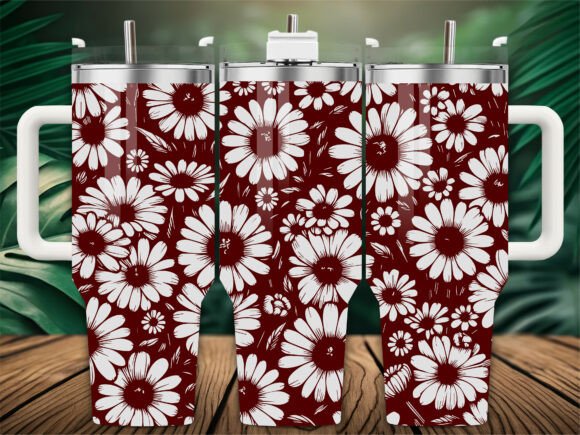
Vintage Daisy Bloom
As an experienced designer and embroidery product reviewer, I often find myself evaluating new designs with a critical eye—looking for quality, versatility, and practicality. The Vintage Daisy Bloom is one such design that caught my attention. It’s a charming, nostalgic piece that feels like it could have been plucked from a vintage floral pattern book. But does it hold up in real-world embroidery projects? Let’s take a closer look.
The First Impression
The Vintage Daisy Bloom exudes a soft, feminine energy. Its clean lines and gentle curves suggest a design meant for delicate, handcrafted items. The daisies are stylized but not overly intricate, which makes them accessible for both beginners and seasoned embroiderers. The overall layout is balanced, with enough detail to be visually engaging without being overwhelming.
This design would naturally fit into a range of projects—from personalized baby clothes to holiday gifts. It has the kind of timeless appeal that can work across seasons and occasions. Whether you're creating a custom tote bag or a handmade pillow cover, the daisies feel at home in a variety of settings.
Real-World Embroidery Performance
I tested the Vintage Daisy Bloom on several different fabrics and project types to see how it performed. On a standard cotton t-shirt, the design looked crisp and clear. The stitch density was well-balanced, allowing for a smooth finish without excessive bulk. For a custom sweatshirt, it worked beautifully as a front design, adding a touch of elegance without overpowering the garment.
On a tote bag, the design held up well, though I noticed that the edges of the daisies required a bit more stabilization to prevent fraying. For a baby onesie, the design was perfect—small enough to be unobtrusive yet detailed enough to add a personal touch. I also tried it on a patch, where it maintained its integrity and looked professional when sewn onto a jacket or backpack.
One thing to note is that the design works best on flat, non-stretchy surfaces. If you're planning to use it on a cap or a curved surface, you may need to adjust the hoop size or consider alternative placement to ensure even stitching.
Where to Use With Caution
While the Vintage Daisy Bloom is versatile, there are a few situations where it might not perform as well. On small hoop sizes, the design could become cramped, making it difficult to achieve fine details. For textured fabrics, such as denim or linen, the design may not sit as smoothly, requiring additional stabilizer to keep the stitches from puckering.
Thin or stretchy fabrics can also be a challenge. The design may require a heavier stabilizer or a different stitch type, like a running stitch, to prevent distortion. On dark fabric, the contrast between the thread and the background is important—make sure to choose a thread color that stands out clearly.
If you're working on layered garments or products that will see frequent washing, consider the durability of the design. While the stitches are solid, repeated laundering may cause some wear over time, especially if the design is densely stitched.
Impact on Visual Appeal and Customer Perception
The Vintage Daisy Bloom adds a level of sophistication to any finished product. It elevates a simple tote bag into a statement piece and transforms a basic sweatshirt into something more personal and unique. For small business owners and Etsy sellers, this design can help differentiate your offerings in a crowded market.
Customers often respond positively to handcrafted, personalized items, and the Vintage Daisy Bloom offers just that. It’s a design that feels authentic and thoughtful, which can increase customer trust and encourage repeat purchases. When used in a boutique setting or as part of a printable mockup, it also helps maintain brand consistency and visual identity.
Practical Designer Notes
Before using the Vintage Daisy Bloom in a commercial project, I recommend testing it on scrap fabric. This allows you to assess how the design looks in different thread colors and on various fabric types. Pay close attention to the stitch density—too much can make the design look cluttered, while too little may result in a weak finish.
Check the hoop size required for the design, and make sure it fits your machine. If you’re working with a limited hoop space, you may need to break the design into sections or adjust the layout. Inspect small details like the corners and edges of the daisies to ensure they’re sharp and well-defined.
Test the design in black and white mockups to see how it translates without color. This can help you determine if it works well on both light and dark backgrounds. Also, confirm the licensing terms before selling finished items or digital products, as this can vary depending on the source of the design.
Final Thoughts
The Vintage Daisy Bloom is a reliable and appealing design that can enhance a wide range of embroidery projects. Its classic aesthetic and balanced detail make it suitable for both personal and commercial use. Whether you're creating a handmade gift or building a craft business, this design offers value and versatility.
For embroidery designers and creative entrepreneurs, the Vintage Daisy Bloom is a solid choice that can bring a touch of nostalgia and charm to your work. Just remember to test it thoroughly and consider the specific needs of your project before finalizing your design choices.