Dahlia Bloom Flora
As an embroidery designer with years of experience, I always start by evaluating a design’s potential before using it in real projects. Dahlia Bloom Flora caught my attention for its elegant floral theme and versatility. It feels like a design that could work well across multiple mediums, from custom apparel to handmade gifts. But is it as practical as it looks? Let’s break it down.
The First Impression: A Delicate yet Strong Design
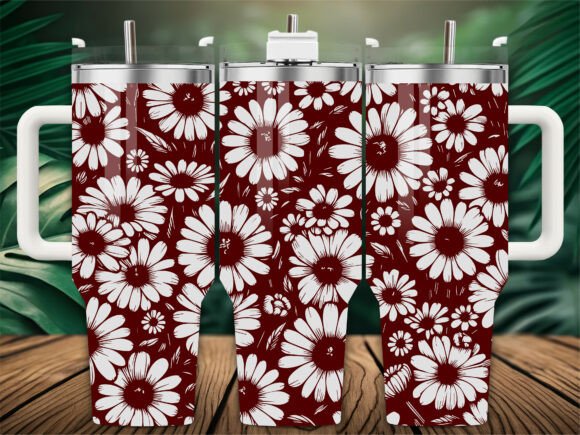
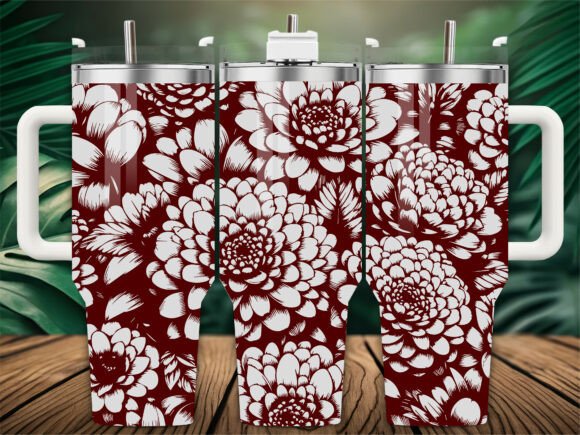
Dahlia Bloom Flora has a soft, natural aesthetic. The layout is balanced, with the central dahlia flower surrounded by smaller leaves and petals. It doesn’t feel cluttered, which is a big plus for embroidery projects where clarity matters. The level of detail suggests it could work well as a satin stitch or fill stitch design, but it also allows for some creative interpretation depending on the fabric and thread choices.
The design’s visual personality leans toward rustic, vintage, or nature-inspired themes. It would fit perfectly on items like tote bags, sweatshirts, or baby onesies. The mood it creates is calming and elegant, making it a good choice for products meant to evoke warmth or sophistication.
Real-World Embroidery Use Cases
I imagine using Dahlia Bloom Flora on a custom embroidered tote bag for a client who wants something unique yet timeless. The full wrap design could work well on a 40oz tumbler, as mentioned in the product description, but I’d want to test how it translates to other surfaces like fabric. For example, on a sweatshirt, the design might look great if the hoop size is appropriate and the stabilizer is properly applied.
On baby clothes, the design could be a hit—especially if the thread colors are chosen carefully to match the fabric. However, I’d avoid using it on thin or stretchy materials where the stitches might not hold up over time. For patches, the design could work if the stitch density isn’t too high, as dense areas can cause puckering or distortion.
For holiday or wedding gifts, Dahlia Bloom Flora could add a personal touch. It would make a nice embroidered pillow cover or kitchen towel. But I’d check the design’s compatibility with dark fabrics, as some elements might not show up clearly without proper contrast.
Where to Be Cautious
One thing to consider is the design’s suitability for small hoop sizes. If the hoop is too small, parts of the design might get cut off or require multiple hooping steps, which can be time-consuming. Similarly, curved surfaces like caps or hats may need some adjustment to ensure the design aligns properly.
Textured or thin fabrics could also pose challenges. If the fabric is too delicate, the stitches might not sit well, leading to a less polished finished product. For commercial embroidery projects, I’d recommend testing the design on different materials before committing to large batches.
Small details like intricate corners or tiny lettering should be inspected closely. Even a slight misalignment could affect the overall look. I’d also suggest checking the design in black and white mockups to see how it appears without color, especially if the final product will be on a variety of backgrounds.
Impact on Visual Appeal and Customer Perception
Dahlia Bloom Flora has the potential to elevate the visual appeal of any project it’s used on. Its clean lines and natural theme can make a handmade product stand out in a crowded market. For Etsy sellers or small shop owners, this design could help build brand consistency, especially if it’s part of a larger collection of floral-themed items.
Customers often judge a product based on its appearance, and a well-executed embroidery design can increase perceived value. Dahlia Bloom Flora could be a strong selling point for personalized gifts or boutique merchandise. However, it’s important to ensure that the stitching is precise and the colors are chosen appropriately to maintain professionalism.
When it comes to giftability, this design could work well for birthdays, weddings, or seasonal celebrations. Its universal appeal makes it a safe choice for a wide range of recipients. But for more niche markets, it might need some customization to better suit specific tastes or themes.
Practical Designer Notes
Before using Dahlia Bloom Flora in any project, I’d recommend testing it on scrap fabric. This helps identify any issues with stitch density, stabilizer needs, or thread color contrast. If the design is going to be used on a dark fabric, I’d suggest using a lighter thread color to ensure visibility.
For applique designs, the structure of Dahlia Bloom Flora might require some adjustments to ensure the layers don’t become too bulky. If it’s a fill stitch design, checking the density is key to avoiding a stiff or unattractive finish.
As a digital product seller, I’d also advise reviewing the licensing terms before using the design for commercial purposes. Even if the design looks great, legal compliance is essential to avoid any issues down the line.
Lastly, for those planning to use this design in printable mockups or digital product previews, ensuring the file is high quality and properly formatted is crucial. A well-prepared design can make a big difference in how it’s presented to clients or customers.
Final Thoughts: Is Dahlia Bloom Flora Worth It?
Dahlia Bloom Flora is a versatile design with a lot of potential. It works well for a variety of embroidery projects, from custom apparel to personalized gifts. Its elegant style and clean layout make it a solid choice for both handmade and commercial use.
However, like any machine embroidery design, it requires careful consideration of fabric type, hoop size, and stitch settings. With the right approach, it can enhance the quality and appeal of your finished products. Whether you’re an Etsy seller, a craft business owner, or a hobbyist, this design could be a valuable addition to your collection.
Just remember to test it first, choose the right thread colors, and pay attention to the details. That way, you’ll ensure that every project using Dahlia Bloom Flora meets the high standards expected by your customers.