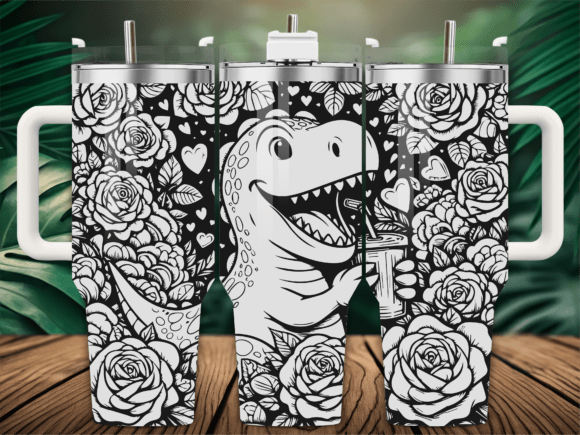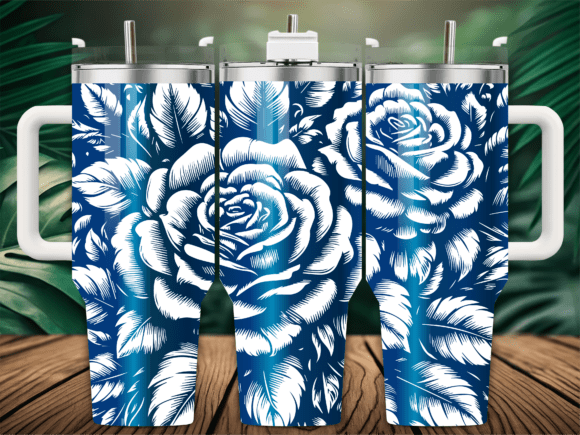
Roses Flower Embroidery Design
As an embroidery designer and product reviewer, I’ve evaluated countless machine embroidery designs. Roses Flower stands out for its elegance and versatility, but it’s not a one-size-fits-all solution. Let me walk through how this design performs in real projects, what to watch for, and where it truly shines.
The First Impression: A Timeless, Elegant Design
Roses Flower immediately evokes a sense of sophistication. The design features soft, flowing petals with a natural curvature that suggests movement. It’s not overly detailed, but the balance between simplicity and visual interest makes it adaptable. The layout is clean, making it ideal for projects that need a subtle yet striking embroidered element.
This design feels right at home on custom apparel, baby items, or personalized gifts. Its floral theme is classic enough to appeal to a wide audience while still feeling unique. Whether you’re creating an embroidered patch or a tote bag design, Roses Flower has the potential to elevate the overall look of your finished product.
Real-World Use Cases: Where It Works Best
For small business owners and Etsy sellers, Roses Flower could be a valuable addition to your digital product library. It’s well-suited for printable mockups, allowing you to showcase how it would look on different garments or accessories before production. As a digital embroidery file, it offers flexibility for both personal and commercial use, provided you confirm licensing terms first.
In practice, this design works well on sweatshirts, t-shirts, and tote bags. The stitch density is moderate, which means it won’t overwhelm thin or stretchy fabrics. However, it’s important to test it on scrap fabric before committing to a larger project. This will help you assess how the satin stitch and fill stitch interact with your chosen material.
For baby items, such as onesies or blankets, the design’s gentle curves can add a soft, handmade touch. It also pairs well with applique designs, offering a decorative contrast when layered over other elements. On pillow covers or kitchen towels, Roses Flower can become a focal point that adds warmth and character to any space.
Where to Be Cautious: Limitations and Considerations
While Roses Flower is visually appealing, it may not be the best choice for every project. If you’re working with small hoop sizes, you might find the design too large to fit comfortably. This could lead to stitching inaccuracies or the need for multiple hooping steps, which can be time-consuming.
On textured fabrics or dark materials, the detail may not show up as clearly. For instance, if you’re planning to embroider this on a dark hoodie, you’ll want to ensure the thread colors contrast sufficiently. Light-colored threads may fade into the background, reducing the impact of the design.
Stretchy or thin fabrics can also pose challenges. Without proper stabilizer, the stitches may pucker or distort. This is especially true for projects like caps or baby clothes, where the fabric is often more delicate. Always double-check your hoop size and consider using a tear-away or cutaway stabilizer for added support.
Impact on Visual Appeal and Customer Perception
Roses Flower has the potential to significantly boost the visual appeal of your handmade products. Its clean lines and organic shape make it highly recognizable, which is great for brand consistency. When used on boutique merchandise or small shop products, it can enhance the perceived value of your work.
From a customer perspective, this design is likely to be well-received. It’s versatile enough to work as a personalized gift, a holiday decoration, or a statement piece on custom apparel. The key is to present it in a way that highlights its quality and craftsmanship—whether through a well-designed printable mockup or a professionally stitched finished product.
For craft businesses, this design could serve as a reliable asset in your embroidery project portfolio. It’s suitable for both one-off handmade items and mass-produced goods, depending on your business model. Just be sure to test it thoroughly before finalizing any orders.
Practical Designer Notes: Testing and Preparation
Before using Roses Flower in a client project or for sale, here are a few essential steps:
- Test the design on scrap fabric to evaluate how the stitches translate to your specific materials.
- Check thread color contrast, especially on dark or light backgrounds.
- Review the stitch density to ensure it aligns with your project’s needs.
- Confirm the hoop size required for your machine and adjust as needed.
- Inspect small details, like the edges of the petals, to ensure they look sharp after stitching.
- Try black and white mockups to see how the design holds up without color.
- Use proper stabilizer to prevent puckering or distortion, particularly on stretchy or thin fabrics.
- Verify whether the design is suitable for both personal and commercial use.
- Always check the licensing terms before selling finished items or digital products.
Final Thoughts: A Versatile Design with Careful Application
Roses Flower is a strong choice for embroidery designers looking for a refined, adaptable design. It excels in projects that require a touch of elegance, from custom apparel to personalized gifts. However, it’s not without its limitations. Understanding where it works best—and where it might fall short—will help you make the most of this design in your creative workflow.
Whether you're an Etsy seller, a craft business owner, or a hobbyist, Roses Flower offers a solid foundation for your next embroidery project. With the right preparation and attention to detail, it can become a standout element in your product lineup.